
Straight answers to the questions we are asked most: when to prune, what a tree removal involves, how to deal with ivy and bamboo, and what to think about before a patio, fence or lawn. Written in plain English, with no hard sell.
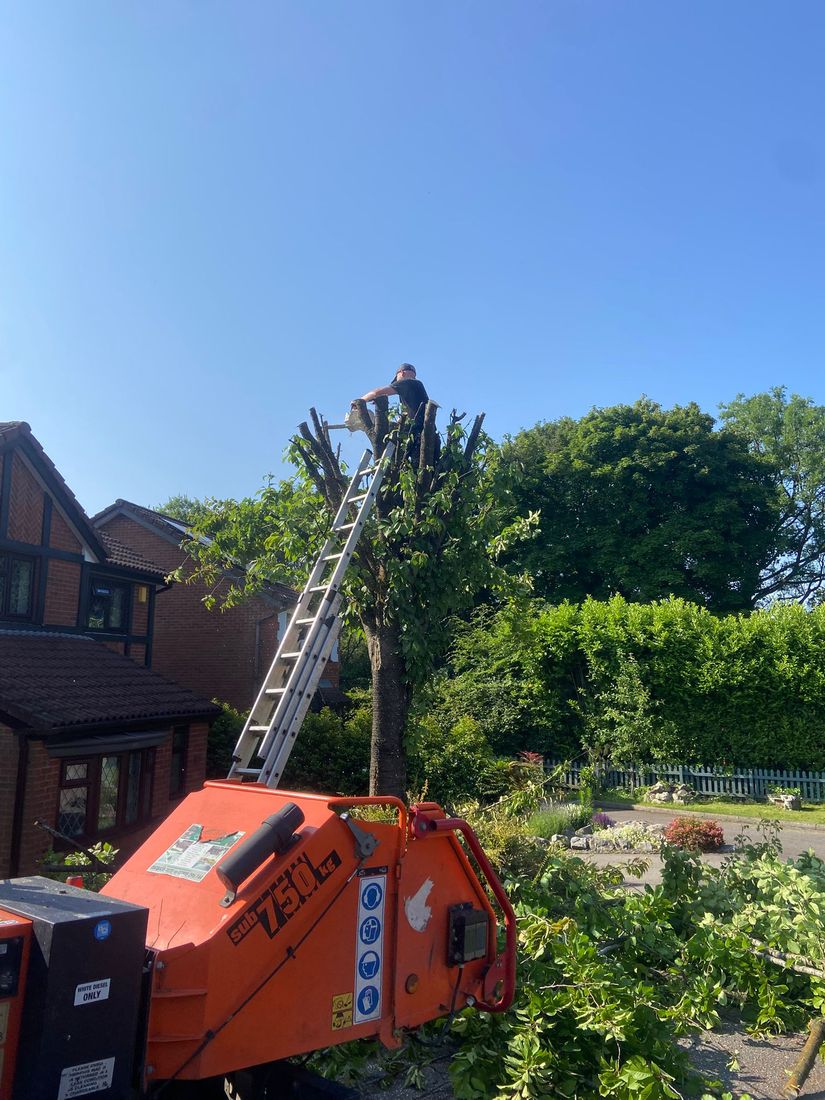
Tree surgery is priced job by job rather than from a fixed list, so this guide explains what moves the cost up or down and how to get a firm figure.
Read the guide →Most trees are perfectly safe, but certain signs suggest a tree is weakened, and knowing what to look for helps you act before something falls.
Read the guide →Stay calm, keep clear of the tree and any cables, and call for help, because a fallen tree can still be unstable and dangerous long after the wind drops.
Read the guide →A few sensible checks in early autumn can reduce the damage that gales and heavy rain do to trees, fences, hedges and outbuildings across South Wales.
Read the guide →Some tree problems can wait for the next tidy-up, but others should not, and knowing the difference helps you act early and avoid damage to your home.
Read the guide →Careful tree work can bring back light, space and safety to a crowded garden, often without losing the trees that give it character in the first place.
Read the guide →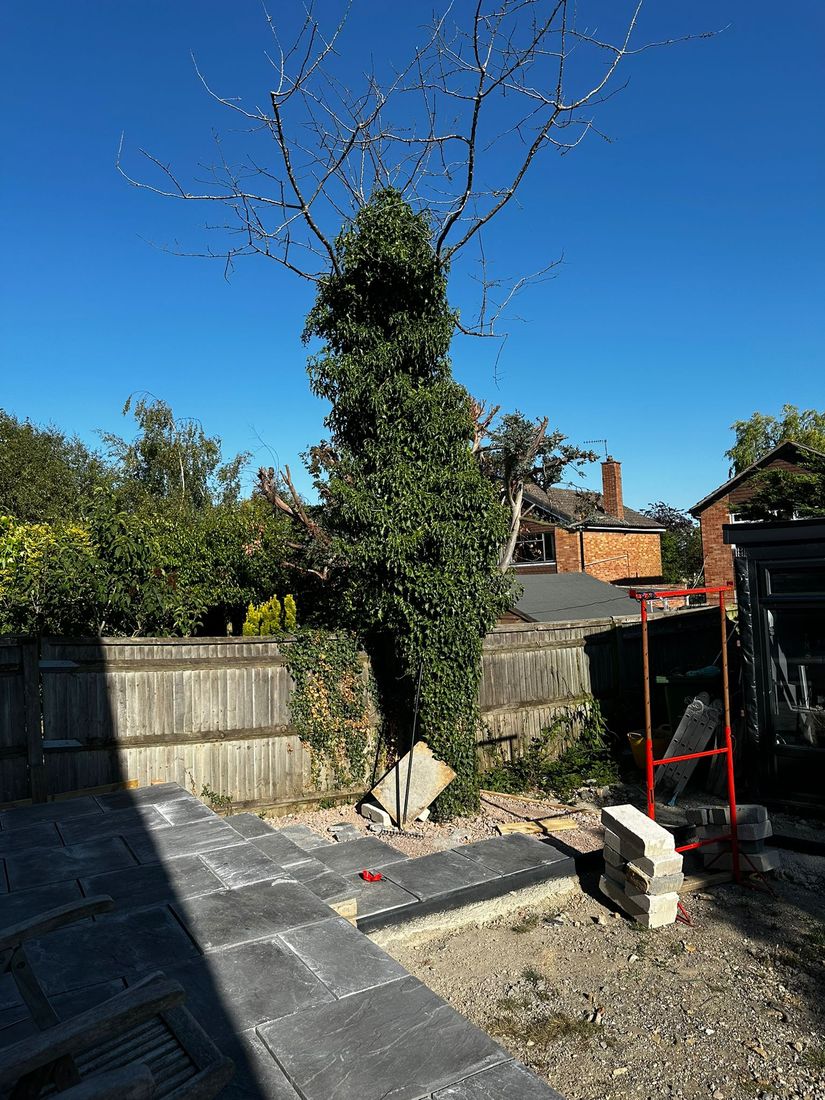
Often you can fell a garden tree freely, but protected trees and larger amounts of timber need checks first, and this guide explains who to ask.
Read the guide →Taking a tree down should rarely be the first choice, but sometimes it is the only responsible one, and knowing which situation you are in saves worry.
Read the guide →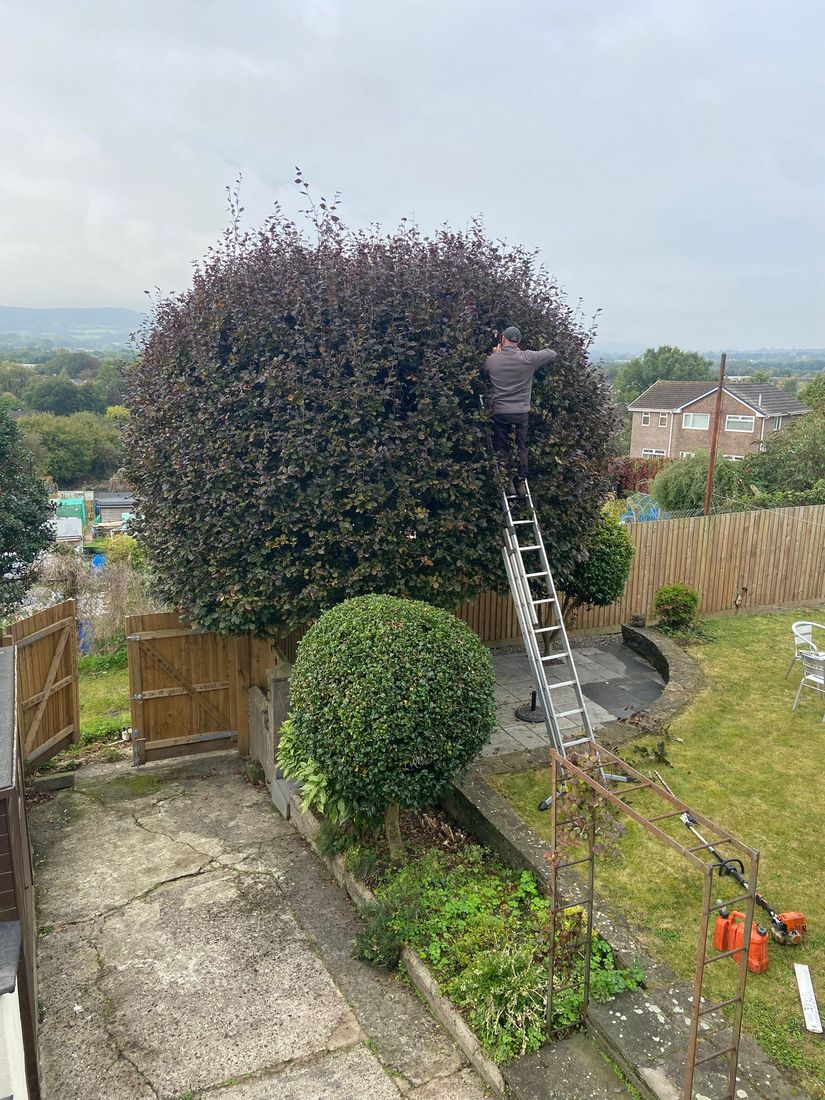
There is no single perfect month for every tree, but winter suits many species, and this guide shows how timing, nesting birds and weather affect the choice.
Read the guide →Tall conifers can often be reduced safely, but only back to living green growth, because most will never regrow from bare brown wood.
Read the guide →Regular pruning keeps trees safe, balanced and healthy, brings light back into gardens and buildings, and usually avoids the larger and more disruptive jobs that neglect leads to.
Read the guide →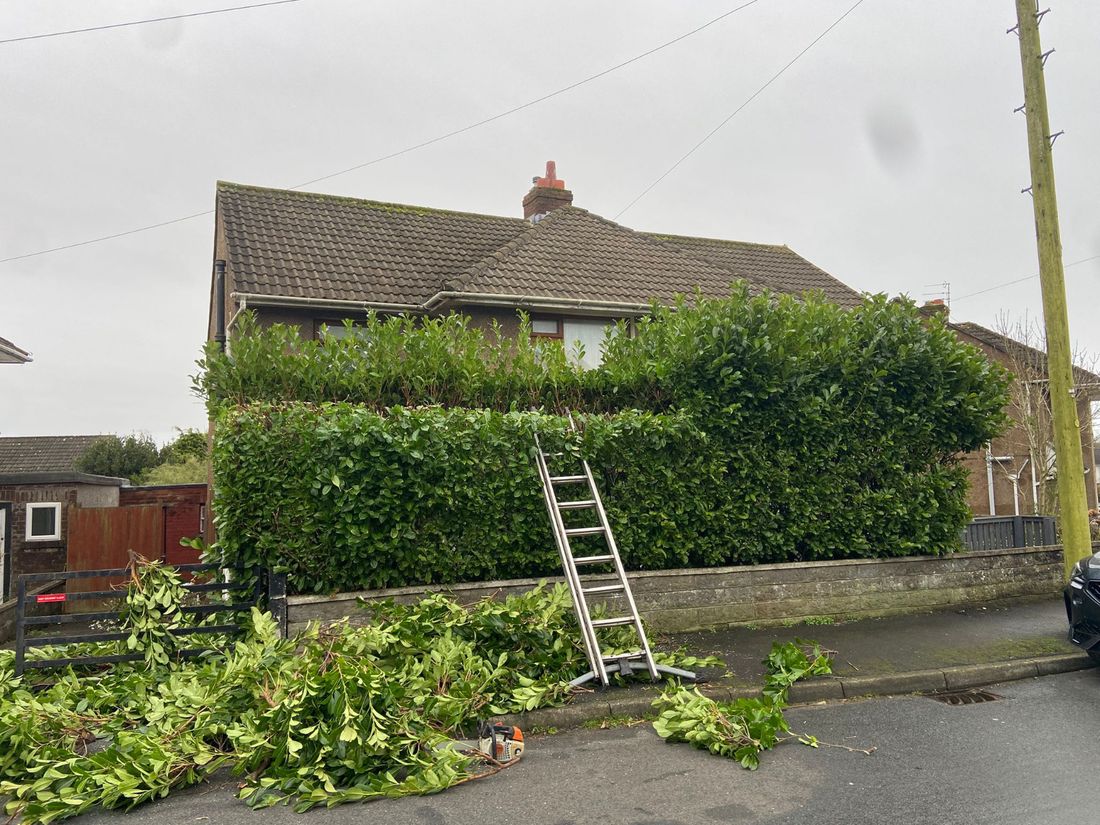
A large hedge that has outgrown its space can be brought back down in height and width, but how it is done depends on the plant, the access and how long it has been left to grow.
Read the guide →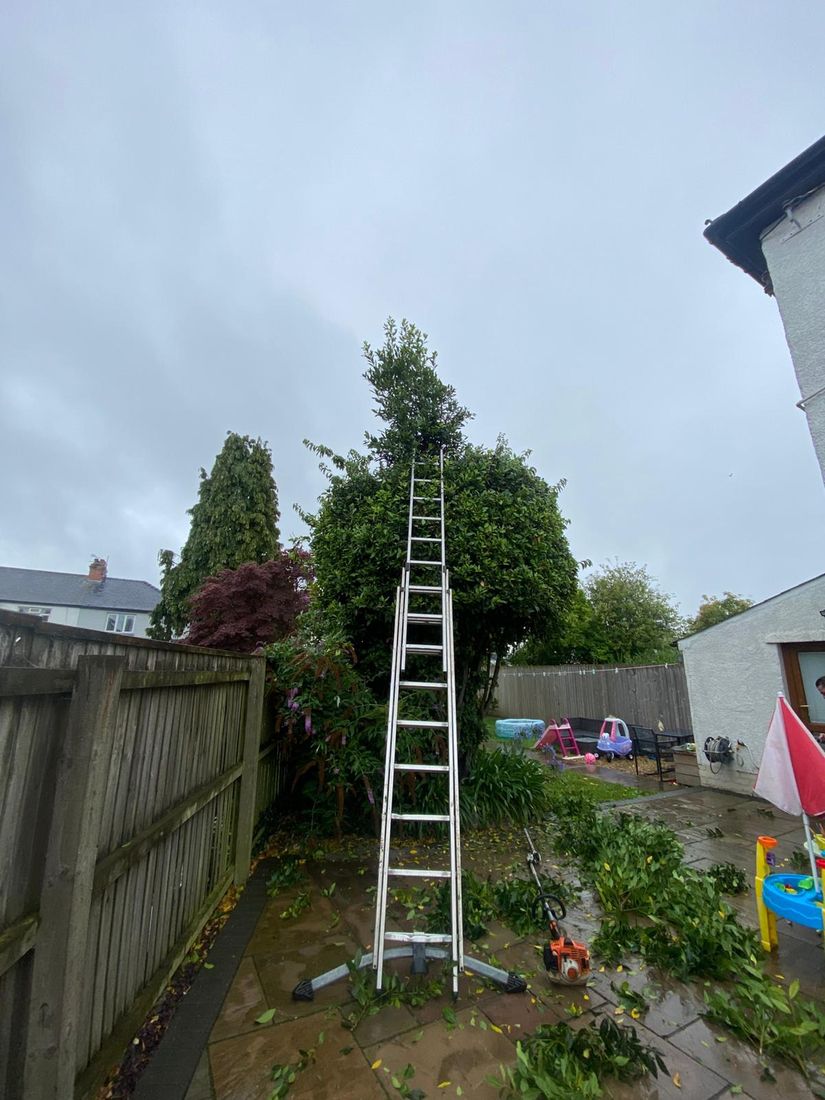
Sometimes a hedge is beyond saving, or simply in the wrong place. This guide explains why people remove a hedge, how the clearing is done and what to think about before anything new goes in.
Read the guide →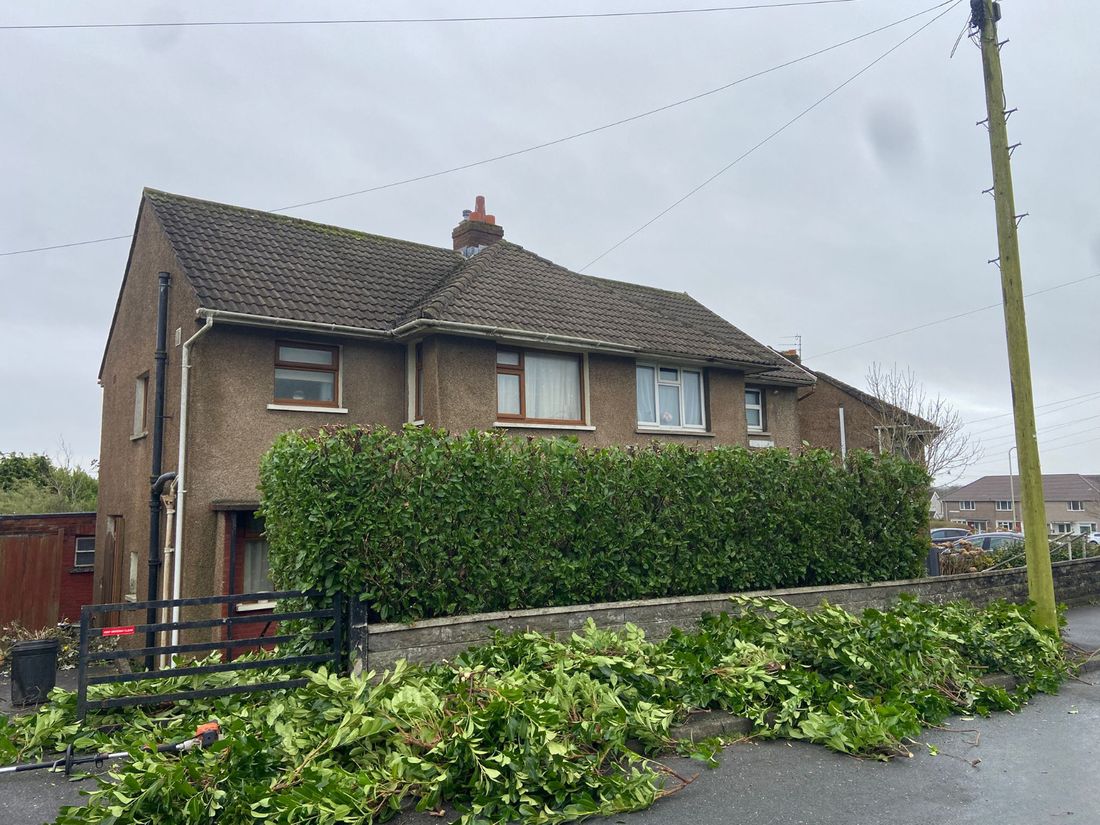
Hedge cutting prices in Cardiff depend on the hedge in front of us, not a fixed list. This guide explains what moves a quotation up or down and what to tell us so the figure is accurate.
Read the guide →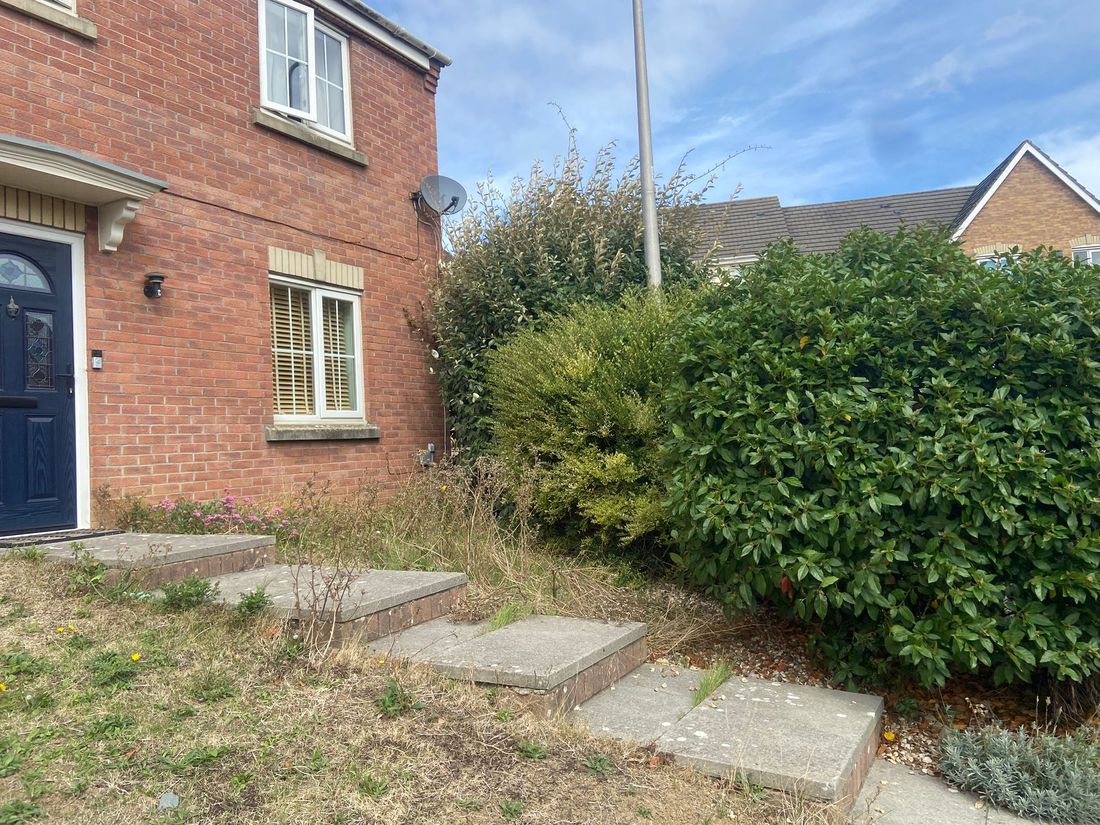
An overgrown hedge can be brought back under control, but the best way to do it depends on how far it has gone. Here is how restoration works and when it is better done in stages.
Read the guide →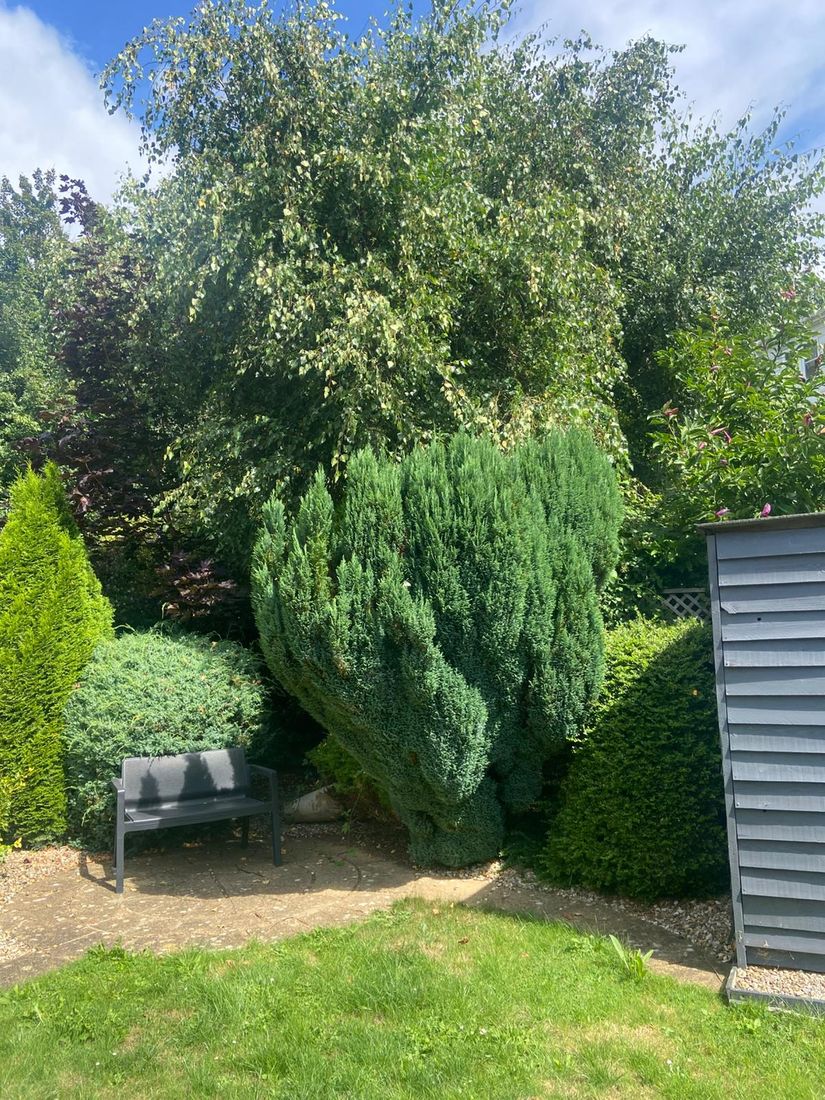
Leylandii and other conifer hedges grow quickly and have to be cut with care. Here is how regular trimming, height management and the old-wood problem work in practice.
Read the guide →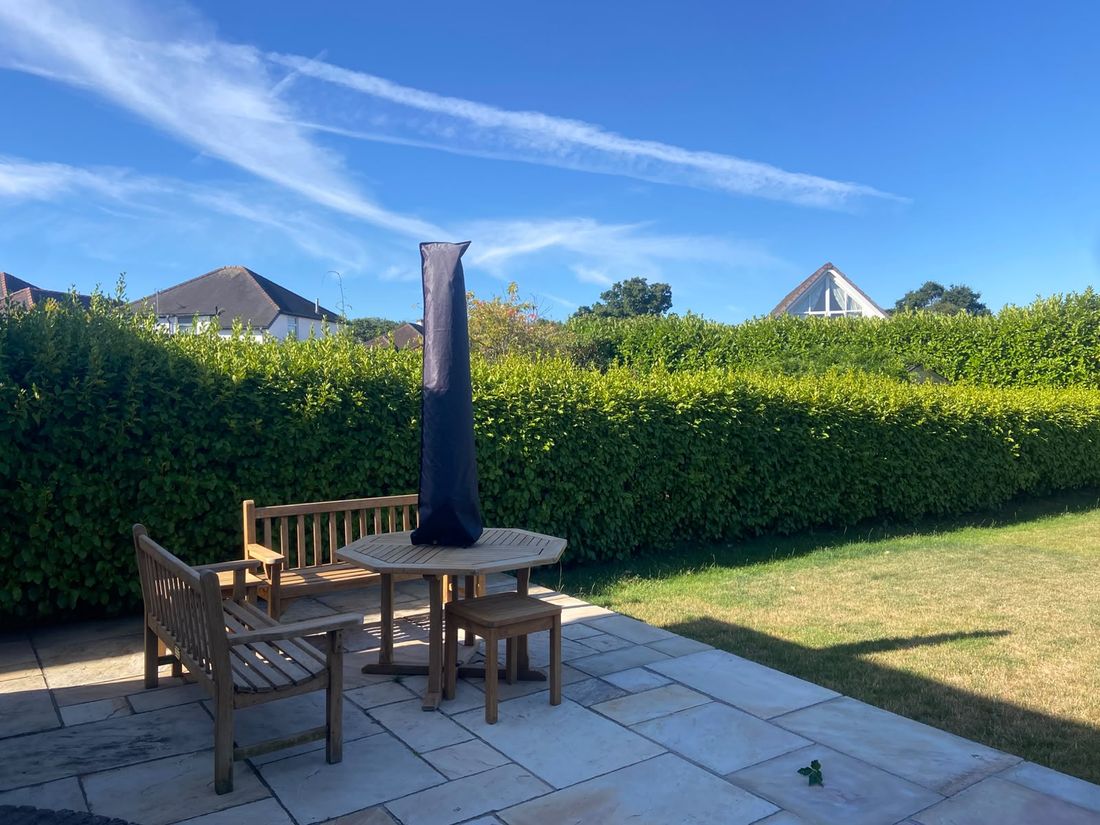
A hedge that is trimmed regularly stays neat, thick and easy to manage. Here is what scheduled hedge maintenance involves, when to cut and whether a one-off or a regular visit suits you.
Read the guide →Cutting a tall hedge is a different job from trimming a low one. Height changes the equipment, the safety planning and the amount of waste, which is why it is usually best left to professionals.
Read the guide →Hedge cutting and garden clearance often belong together. Here is how a combined job works, from cutting back the growth to clearing the paths and boundaries and removing the green waste.
Read the guide →Searching for hedge cutting near you will bring up plenty of names. Here is what to look for in a local hedge cutter, and what questions are worth asking before you book.
Read the guide →Hedges on a boundary are easy to argue about. This guide explains how boundary hedge cutting works, who owns what and what the rules say, without promising that every disputed hedge can be cut.
Read the guide →Most garden hedges need cutting once or twice a year, but the right rhythm depends on the plant, the shape you want and the nesting season.
Read the guide →Hedge cutting is priced on the job in front of us, and a handful of practical factors explain why two hedges that look similar can need very different amounts of work.
Read the guide →Some hedges just need a single tidy-up, while others stay manageable only with planned visits, and the right choice depends on the hedge and how you use your garden.
Read the guide →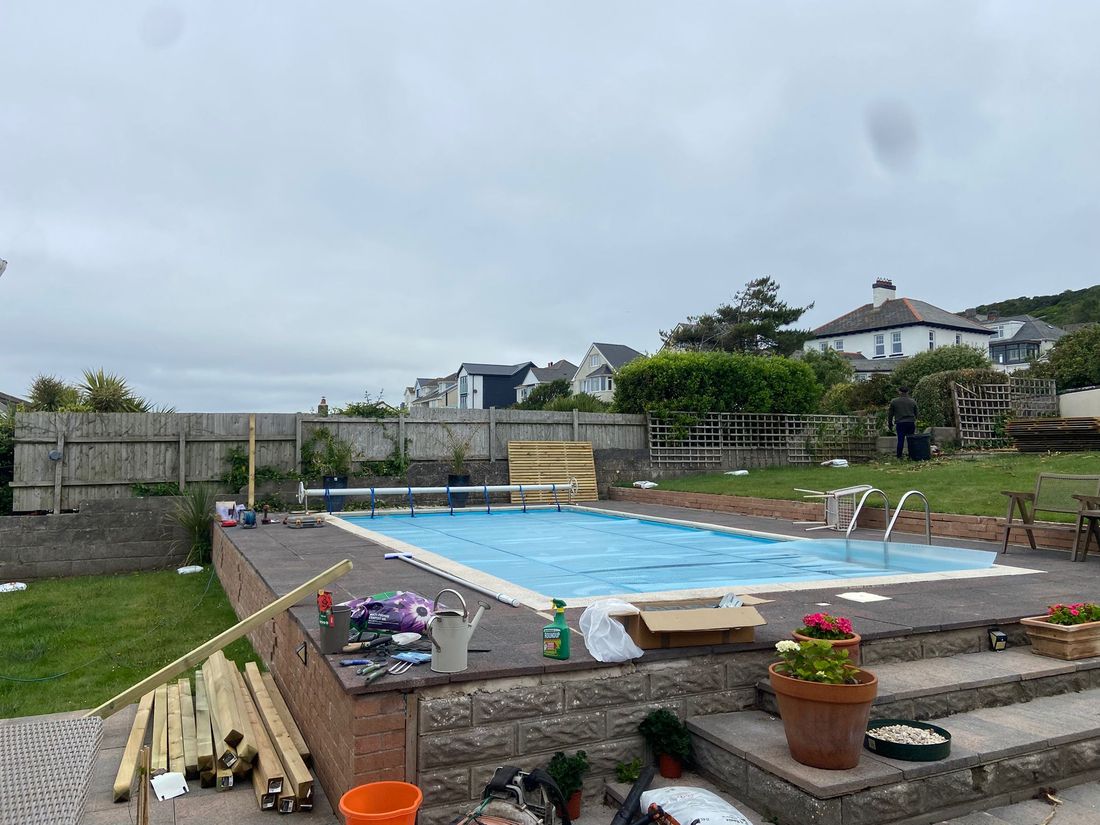
For privacy, solid timber close-board or well-made lapped panels on firm posts usually work well, provided the fence suits your wind, slope and boundary.
Read the guide →Timber is the familiar, adaptable choice for most gardens, while composite trades a higher outlay for less upkeep, so the right answer depends on your priorities.
Read the guide →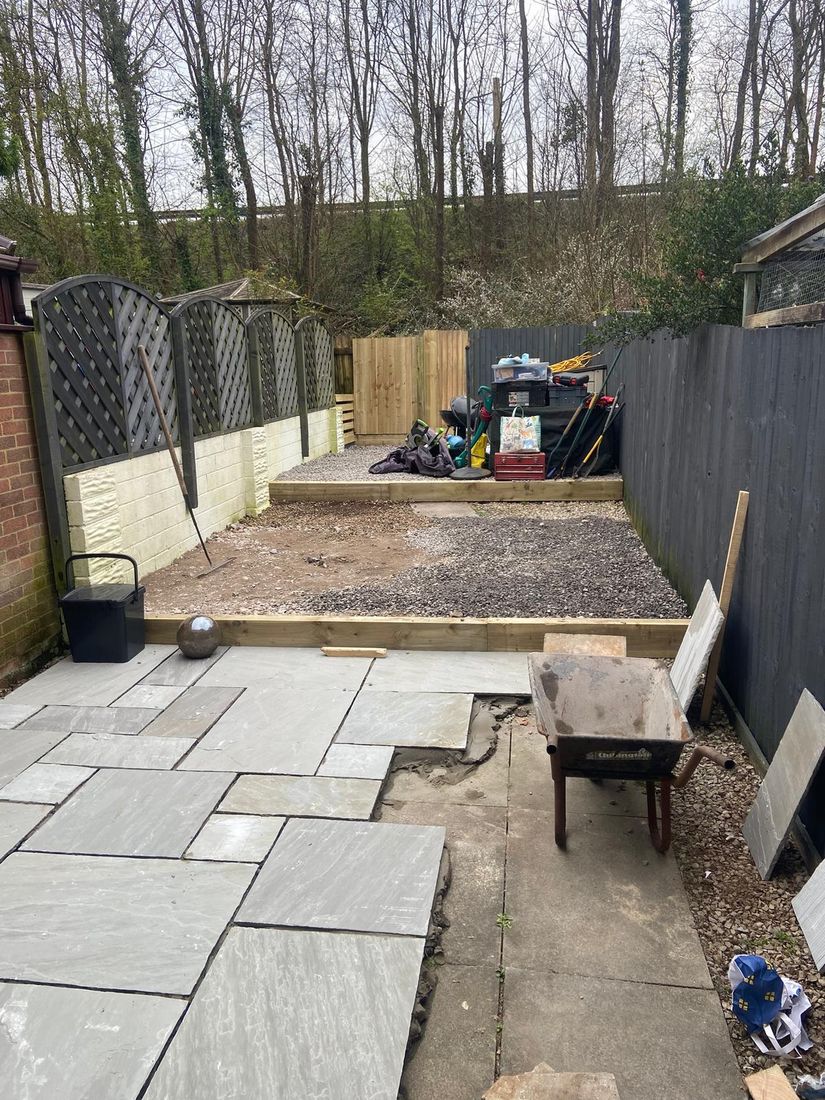
Porcelain offers a consistent, low-maintenance surface, while natural stone brings variation and character, and both depend on a properly built base.
Read the guide →The cost of a patio depends on its size, the paving you choose, the ground beneath it and how easily materials and waste can be moved.
Read the guide →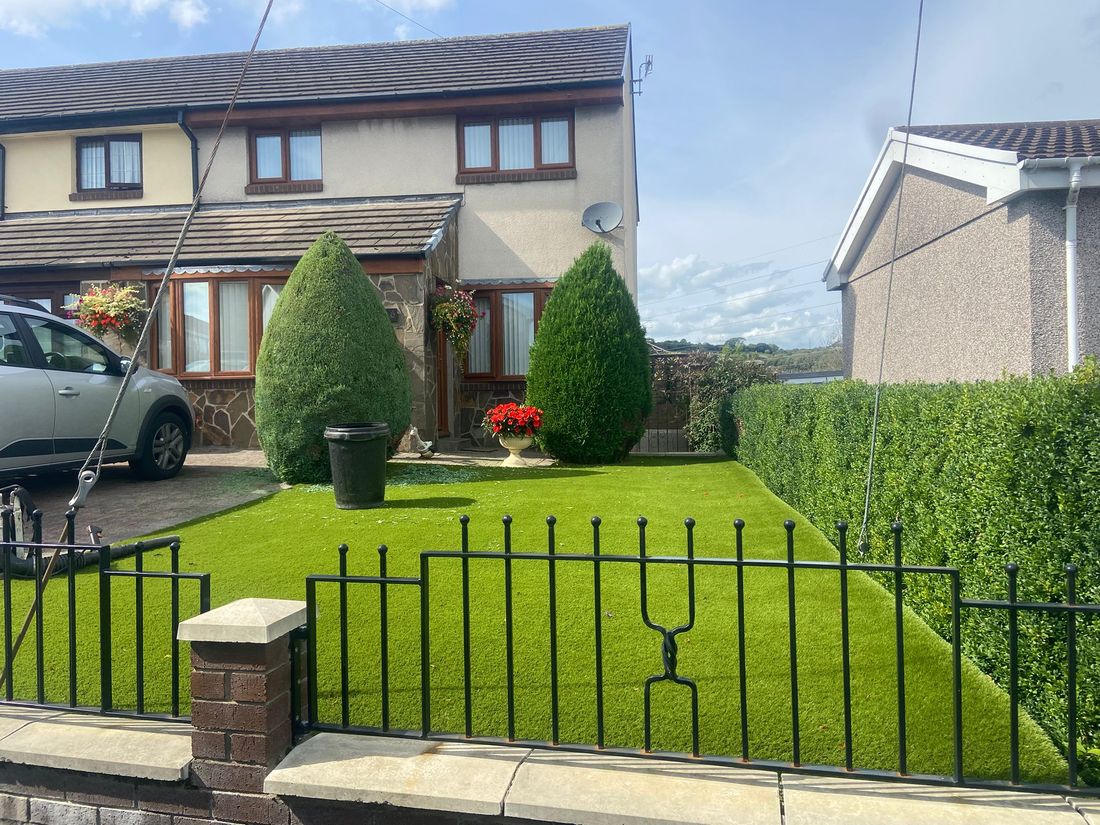
Artificial grass suits small, shady or well-used gardens that are tiresome to mow, provided it is laid on a properly prepared, well-drained base.
Read the guide →How long artificial grass lasts depends on the product, the base beneath it, how heavily it is used and how well it is looked after.
Read the guide →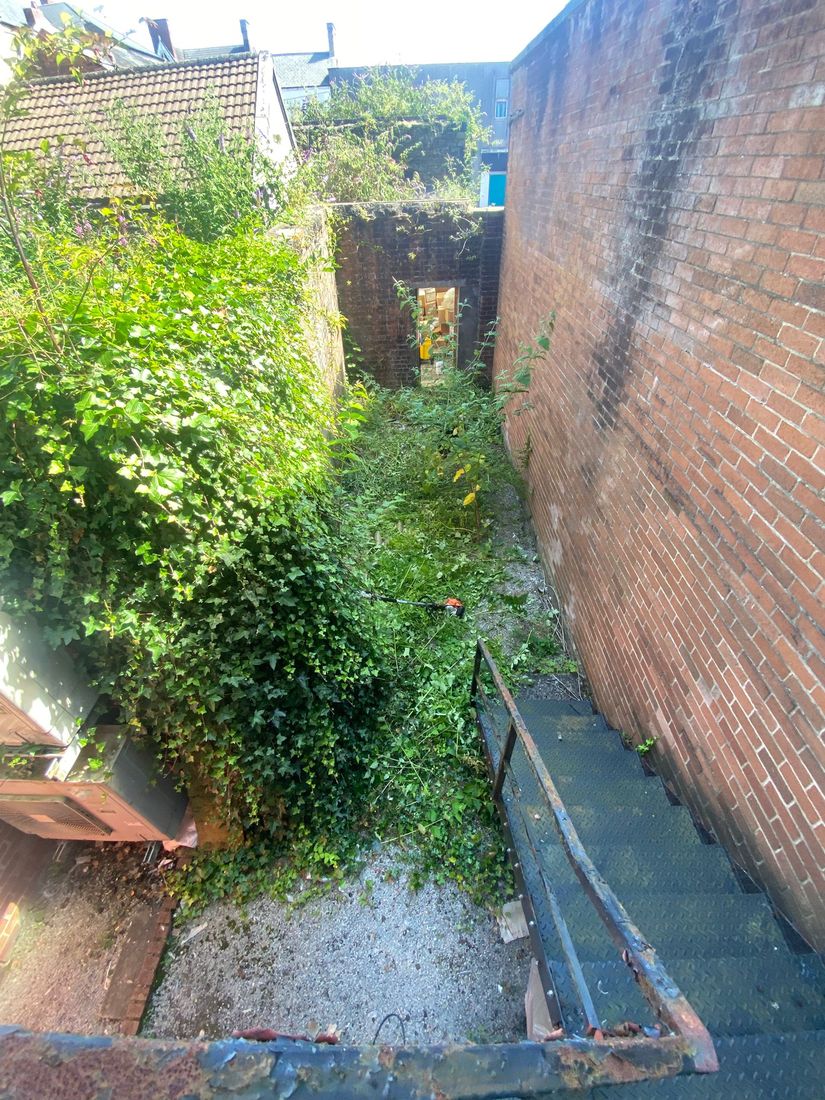
The cost of garden clearance depends on how much there is to remove, how easily it can be reached and what has to be taken away.
Read the guide →A gravel garden can cut mowing and weeding, but only if the ground is cleared and prepared properly first, and the planning matters more than the stones.
Read the guide →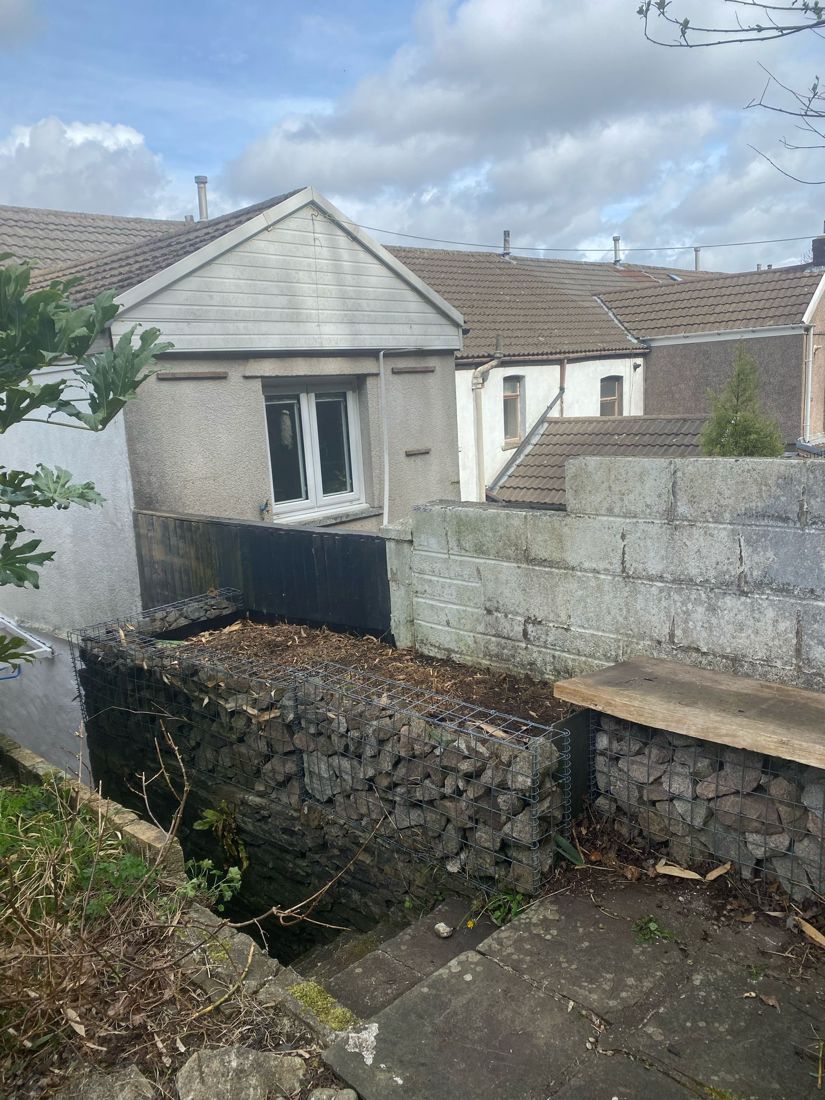
Running bamboo spreads through underground stems called rhizomes, and stopping it means digging them out thoroughly rather than just cutting down the canes.
Read the guide →Spreading bamboo can lift paving, push into wall joints and block drains, so it helps to know which type you have and when to act.
Read the guide →Tell us what needs doing and where. We will come back to you, or call 07766 919630 if it is urgent.